|
Table of contents
- Takes on a Train - Part 1
- Current Reading: Virtual Light (1993)
- Takes on a Train - Part 2
- Multi-melting
- Takes on a Train - Part 3
- Know Your Robot: Neo
- Takes on a Train - Part 4
- Updates on past stories
|
| |
|
Takes on a Train - Part 1
|
| |
|
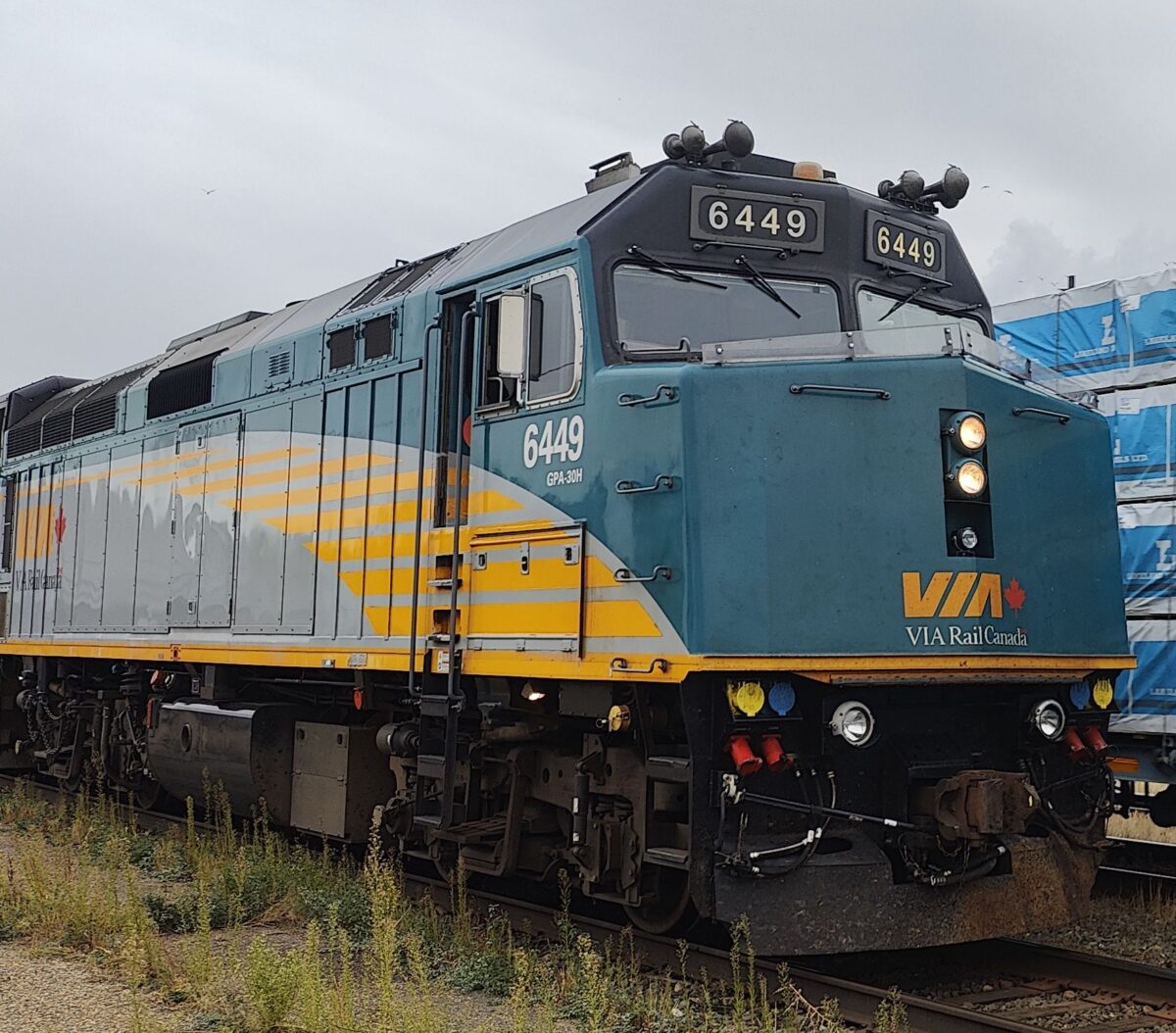
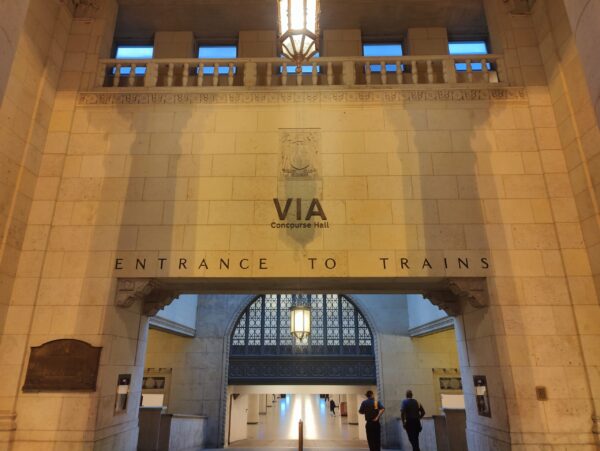
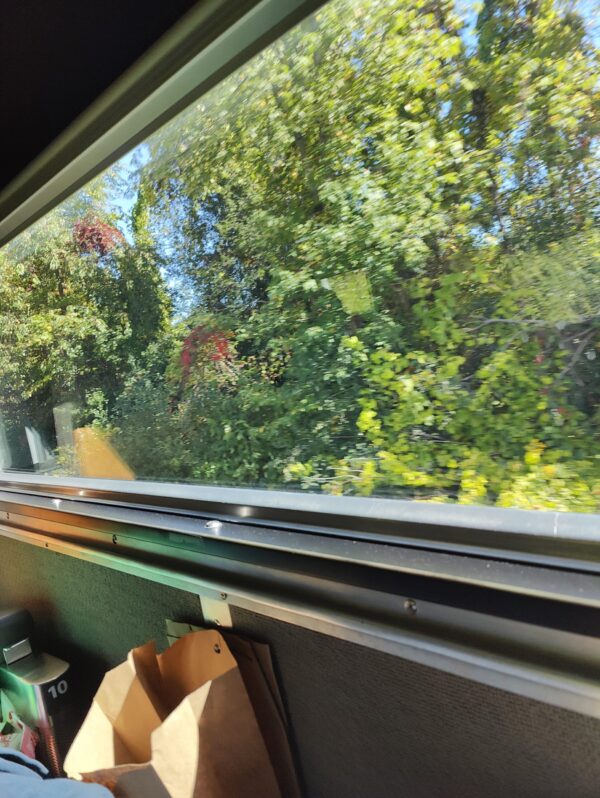
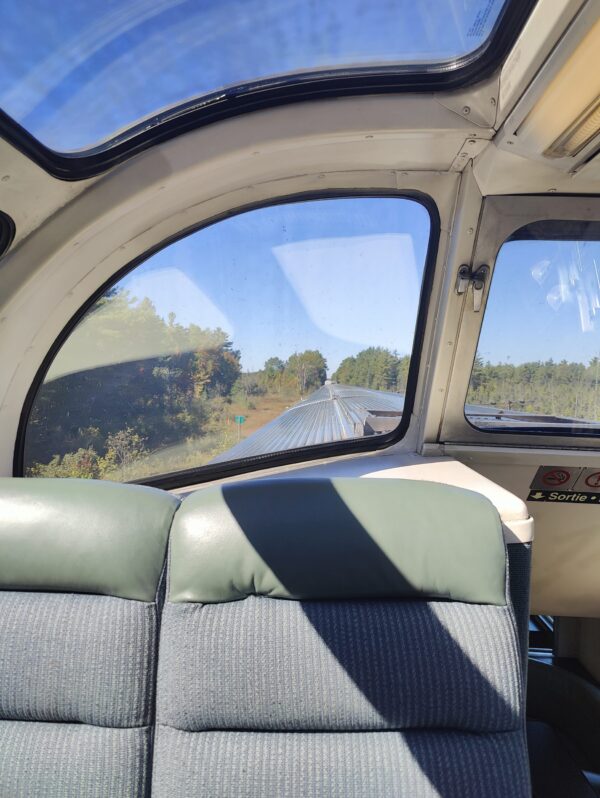
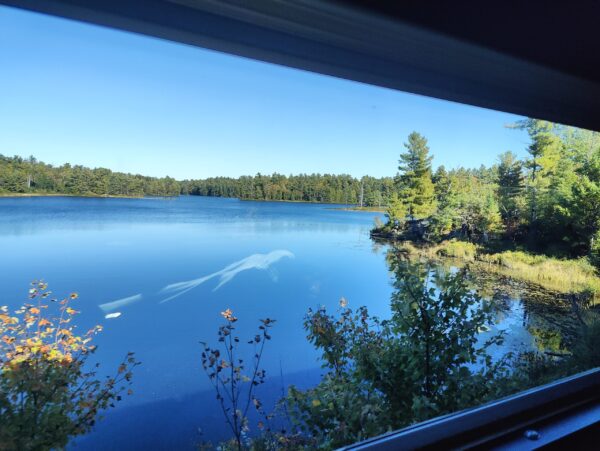
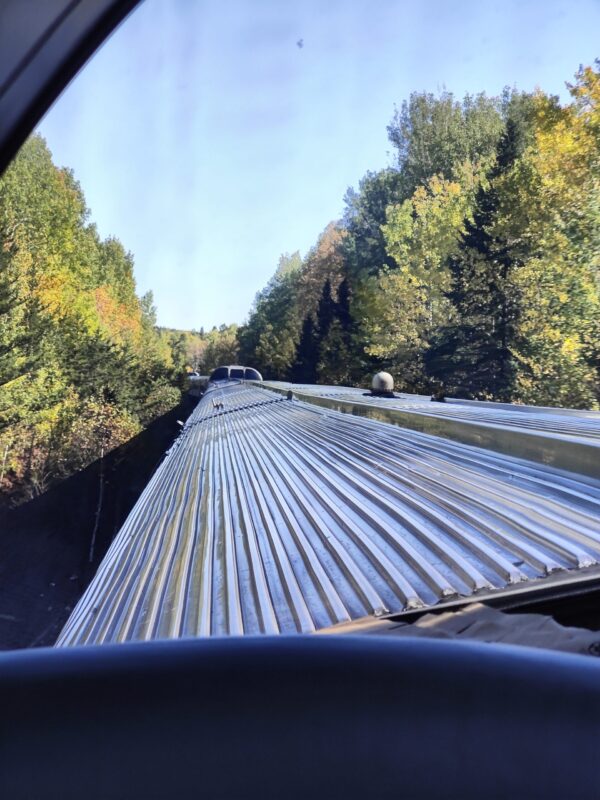
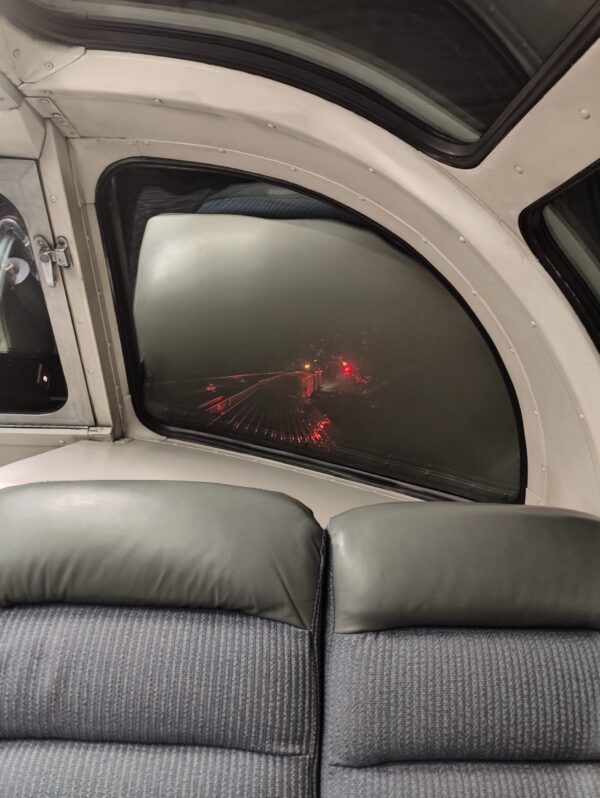
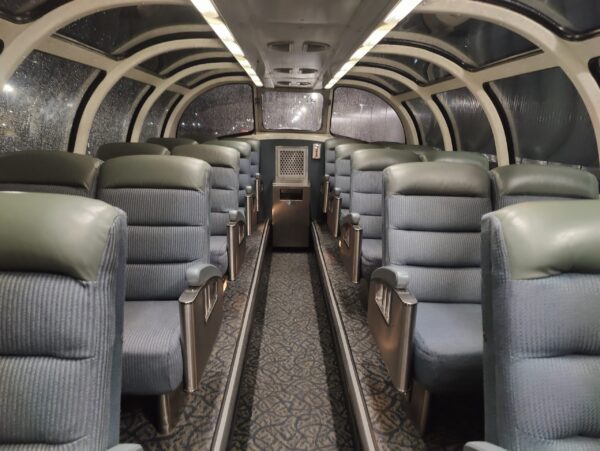
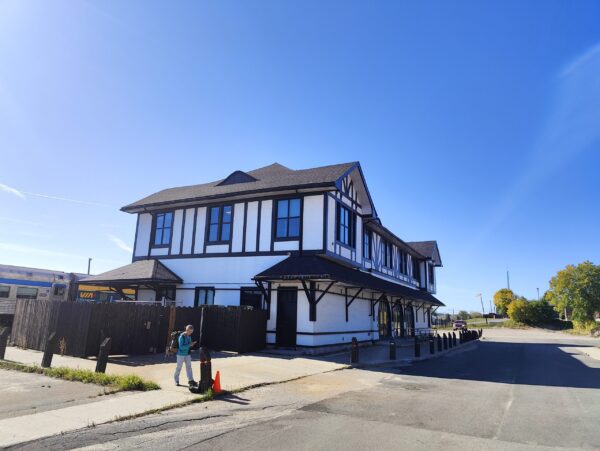
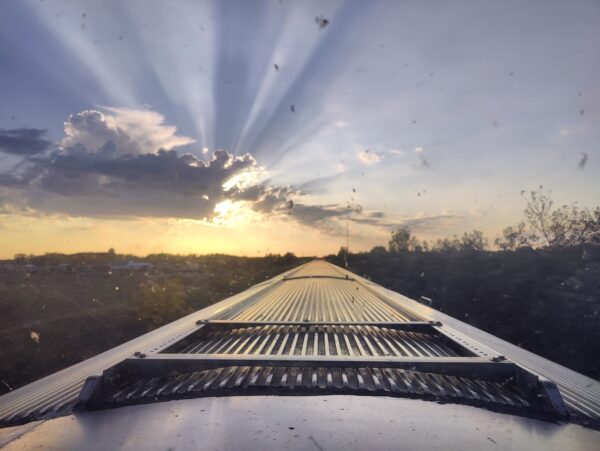
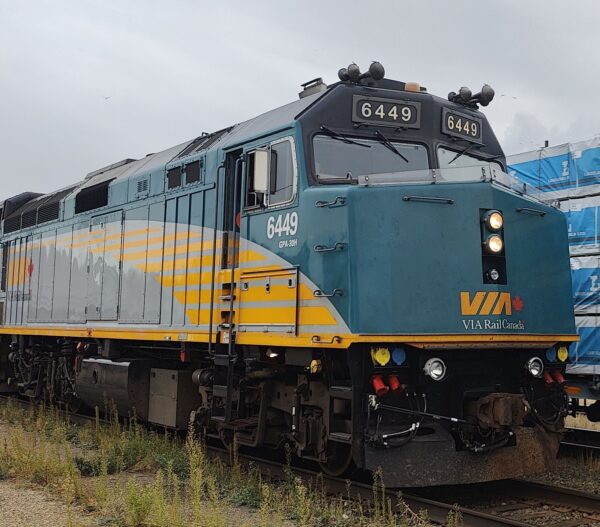
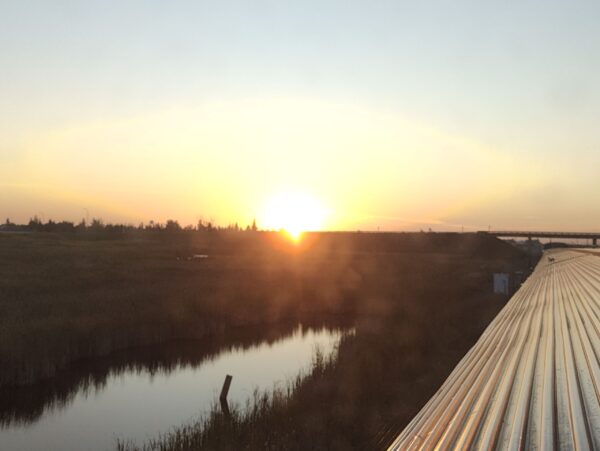
Last month I had the opportunity to travel across Canada on the Via Rail Canadian line, running from Toronto to Vancouver in a single 4-day stretch. This is one of the longest passenger rail lines in the world, and Canada is a magnificent country, so I packed up my notebook, camera, and watercolours and took the opportunity to see something new to me.
During the course of the trip I captured some of my thoughts of the experience, almost as a stream of consciousness, and have been posting them on the blog.
I'd like to take the opportunity to share those published so far with you in this week's newsletter.
|
| |
|
Current Reading: Virtual Light (1993)
|
| |
|
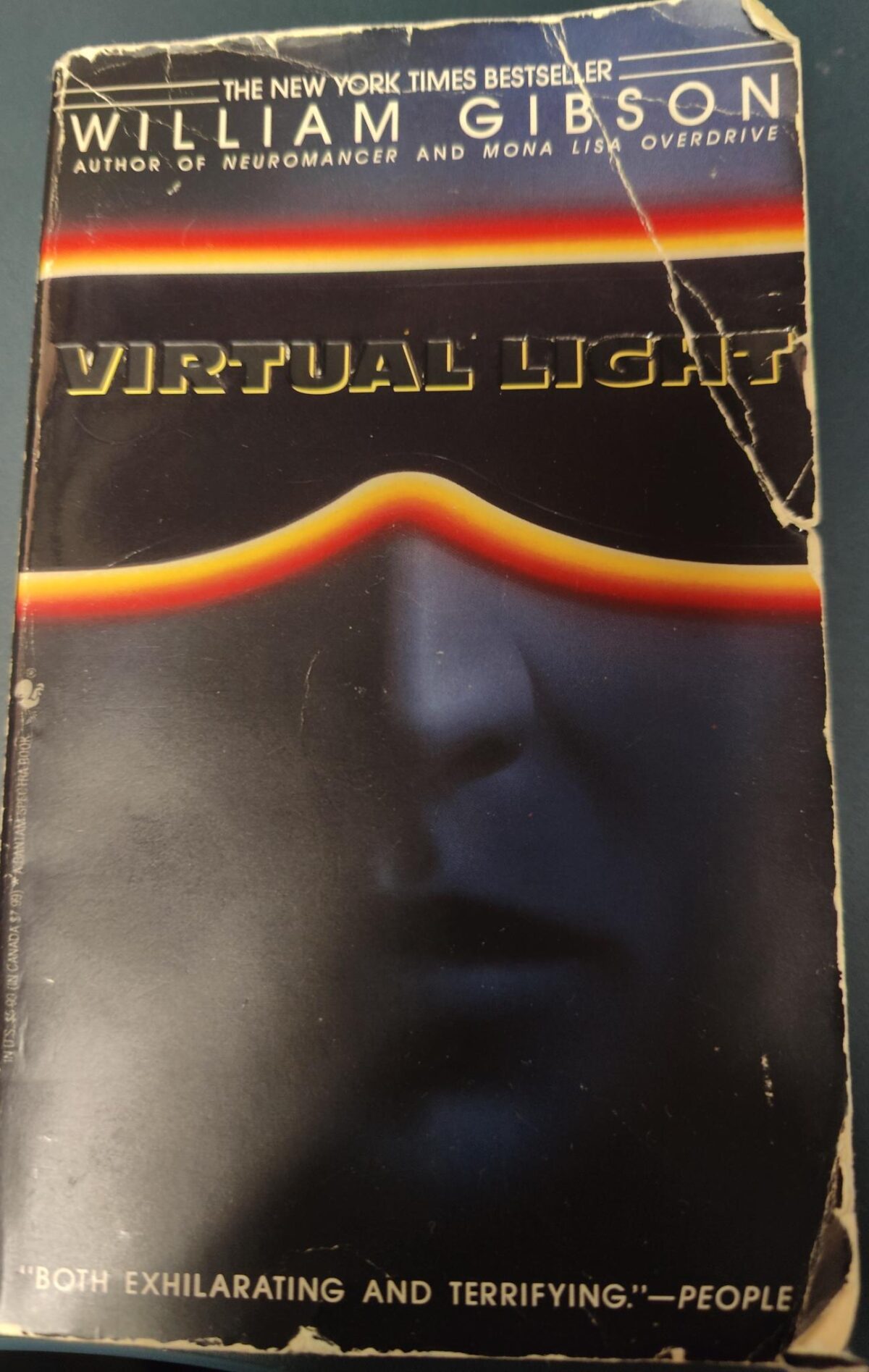
I only had room on the train for a couple books, so I reached over to the Cyberpunk Bookshelf to grab one from the archives, with the feeling that this series in particular was becoming more relevant than ever after the developments in recent years. Glad I did. Ended up finishing the re-read on the train.
Virtual Light was the first novel in William Gibson's second series, dubbed "The Bridge Trilogy", as it had some recurring characters throughout. Released in 1993, it still felt like a cyberpunk novel at the time, though not that far in the future, as if the timelines were drawing closer to zero. The novel might technically count as post-Cyberpunk, if we consider Neal Stephenson's Snow Crash from 1992 to be the dividing line. If not, 1995's The Diamond Age definitely marked the end of the era, putting Virtual Light in the interregnum where change takes place.
Virtual Light is billed as a novel about AR goggles, continuing a cyberpunk focus on vision that began with the original Mirrorshades anthology (Sterling, B., ed., 1986), it's hardly about the tech at all. More of a MacGuffin, that allows the novel to explore broader themes about the police, celebrity, the media, the HIV epidemic (and pandemics more generally), income inequality, and the breakdown of America. The titular goggles function more as "Ancillary Tech", in a way that offhand mentions in a sci-fi book often do - one-liners that function as set dressing that end up becoming prescient for future real-world innovations.
The book follows several characters bouncing through locations, in a very Gibsonian fashion, mostly in San Francisco though a bit in Tennessee and various destinations in California of a then future 2006. California has been split into two separate states - North and South, and San Fran has been rocked by the Big One, the earthquake that shattered the Golden Gate Bridge. We are introduced to a police officer turner security guard, and a bike courier turned thief, and the various groups chasing after them and the Virtual Light goggles of the title and cover.
A lot of the book sets the scene for that near future scenario, detailing how life is kinda the same as what we're used to but different all the same. It's the little things, as Vinnie Vega would tell Jules a year later in Pulp Fiction (1994). But it's those little things that ring true all the years later, as the tech has largely been developed and surpassed in the market. We'll have to do a deeper dive into AR/VR tech in a coming episode.
This is probably the first re-read of the book for me in at least 15 years, since I was charting the memetic influence of cyberpunk fiction for my MA thesis back around 2008 or so. (I'll admit I tried and bounced once early during the COVID pandemic, through no fault of the novel). It remains a good read, with a lot to say about the situation in 2025, here 32 years later. This is what makes fiction worth reading, IMHO - that timeless quality that can speak through the decades.
Glad I picked it back up. Maybe give it a look if you haven't. |
| |
|
Takes on a Train - Part 2
|
| |
|
Takes on a Train - Part 3
|
| |
|
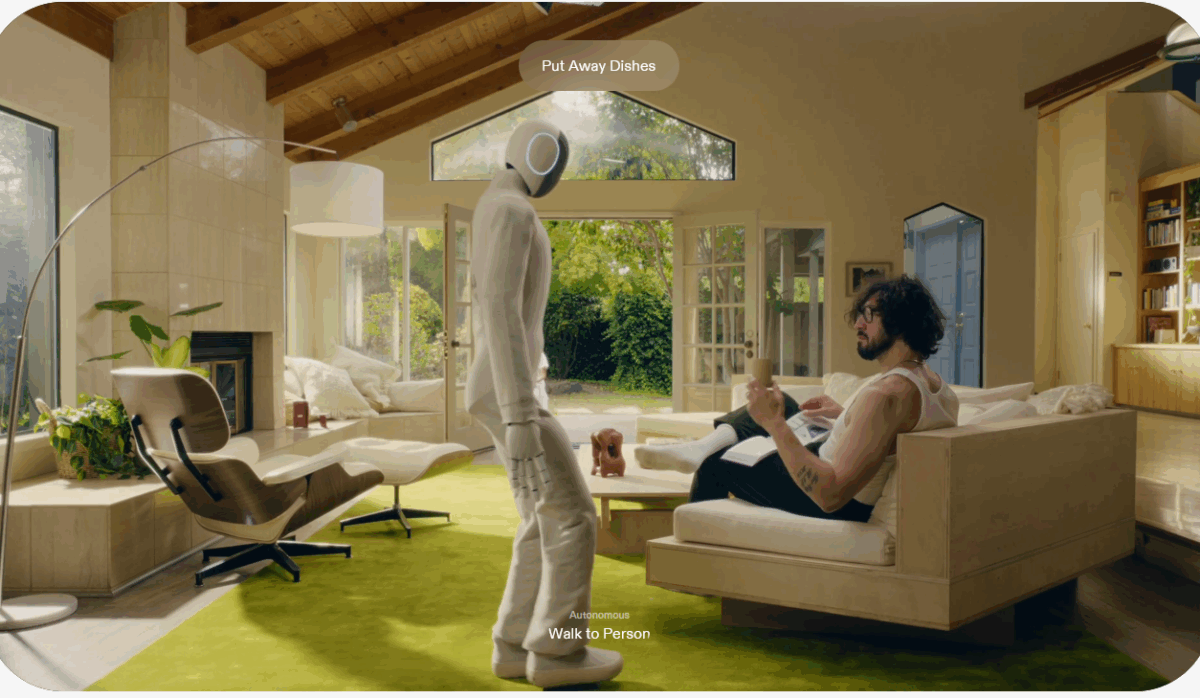
Returning to our Know Your Robot series, we have a new entrant on the market making a splash during the last week of October, 2025. Meet the Neo, a semi-autonomous humanoid peripheral from 1X Technologies out of California. Billed as a robotic assistant for home use, that can help with simple tasks, carrying up to 55 pounds, vacuuming, watering plants, and folding laundry, and able to interact with some conversation ability due to LLMs.
It's impressive, in ways more than the $16,000 Unitree G1 that was shown off in 2024. It has a longer battery life, greater carrying capacity, and a different musculature system, along with the "softer" skin that is billed as preventing damage around the house, compared to the harder plastic of the G1.
But let's not call it a robot. Much like the Tesla Optimus 3 shown off as this time last year, it has more in common with a drone, where it is often "piloted" by a remote worker, and then has a number of AI-driven routines for certain tasks (much like how aerial drones can be programmed with certain moves). Hence, "semi-autonomous humanoid peripheral". When we discussed the Optimus 3, we noted how it would be impressive enough if they just let us know that it was a peripheral, as there are many use cases where a humanoid form would function well in a setting where it could be risky for humans to enter.
There are still of course huge concerns about the tech: who is piloting it, the privacy concerns of allowing a mobile camera into one's house, let alone the listening devices (though in an era of Alexa and Siri a lot of tech adopters seem less concerned). And lastly, the general idea of having a robot servant, which we talked about in several episodes, including E25 Echanger and E39 The California Ideology.
An empathetic view of the technology recognizes that having a robotic assistant like this might be valuable for seniors as they age in place, or persons with reduced mobility, to have a tool that can help with some of the travails of daily living. But there's some significant risks attached with this. We'll have to see how well it functions, and how it is adopted. There's more to come, for sure. |
| |
|
Takes on a Train - Part 4
|
| |
|
Given the breadth of material we cover on the podcast, there's always something in the news, but over the last few weeks a couple items stood out:
From episode 37 - Soylent Culture we introduced the idea of low background steel as pertains to AI, and it seems some others have noticed a similar effect. I hadn't heard of this project at the time of the publication of the episode back in September 2024. Interesting that it's out there though.
And from episode 49 - Spirit of the AI-dio, the uprising against Spotify seems to be gaining some steam, as more artists and listeners tune in to what is actually taking place. Check out this article from the Guardian on the "Death to Spotify" movement.
|
| |
|
Over the next few weeks, the goal is to up the pace a bit, so we'll see how things fit to the plan. We should be looking streets ahead, and then finally catching up to our adaptability episode. Look for it in your inbox shortly. |
| |
|